Solar for the whole building. Backup for every home.
Shared solar and a shared battery on the one roof you all own. Your AC, fridge, geyser and Wi-Fi run on sunshine by day, on stored sunshine by night, and straight through every power cut.
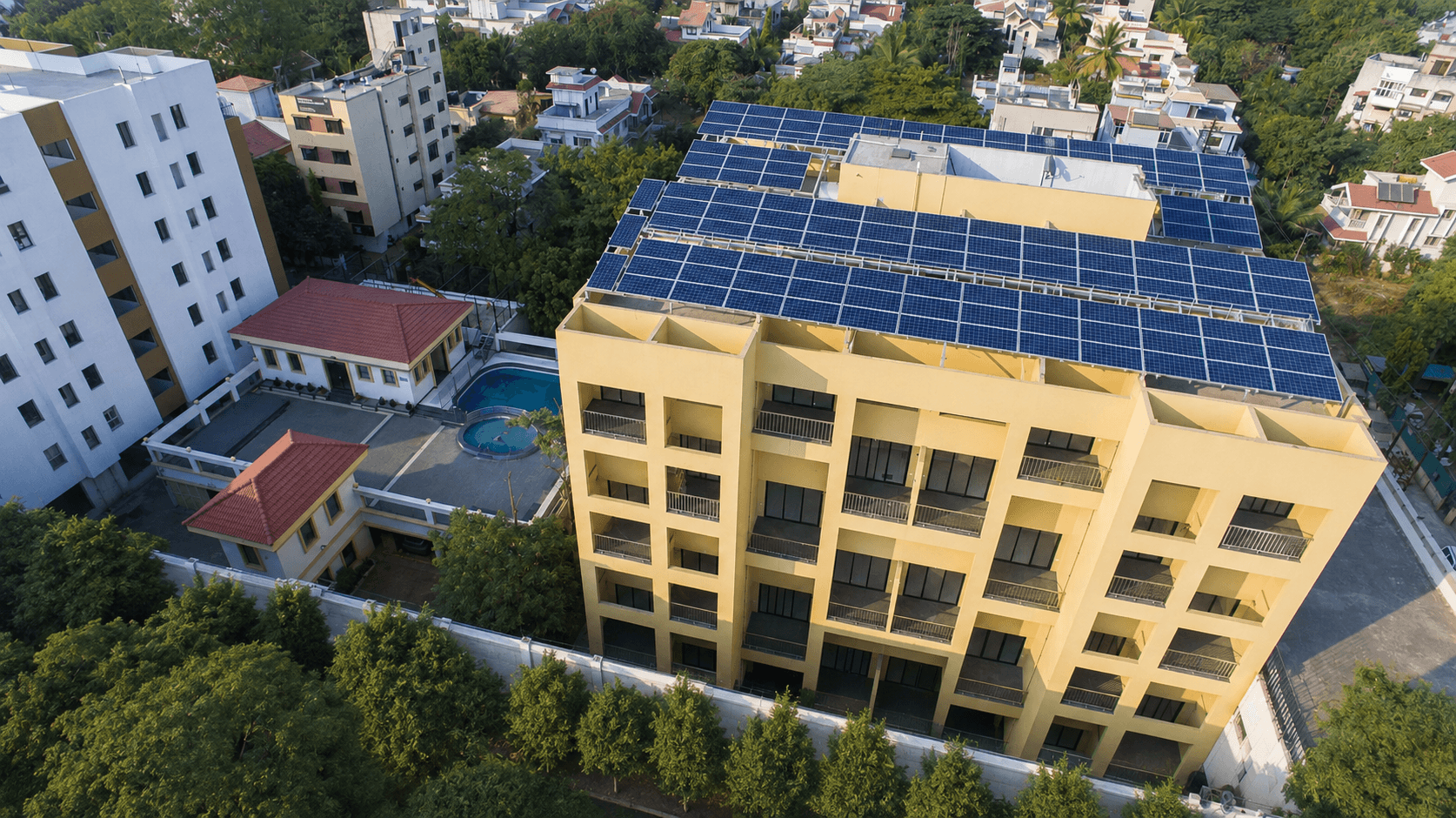
Scorpio, Fortune Estates · Pune
24 flats. One roof. 100 free units a month, each.
Net zero
One of India's first residential buildings
IGBC Platinum
green building rating
3 patents
on the SPDU
The System · 01 / 04
One roof, one battery, one SPDU per flat
The sun runs every home, and charges the battery
Panels feed each flat and office through its own SPDU, and the surplus charges the shared battery bank.
The sun runs every home, and charges the battery
Panels feed each flat and office through its own SPDU, and the surplus charges the shared battery bank.
Rising bills. Power cuts. And solar that switches off with the grid.
Every building lives with all three. Protostar Fusion was engineered to end them together, with one system on the roof you already own.
Bills that only go up
Electricity tariffs rise year after year while the sunniest real estate you own, your own roof, sits idle. Common-area solar barely dents what each family actually pays.
Backup that barely backs up
The typical home inverter runs a few lights and fans on lead-acid batteries that die every 3 to 5 years. The AC, geyser and fridge all go quiet the moment the power does.
Even solar stops in a power cut
Here is the part nobody tells you: an ordinary grid-tied solar system must switch itself off during an outage. Panels on the roof, and still no power in your home.
Capture. Store. Share.
One engineered system does what a solar plant, an inverter in every flat and a diesel generator used to do, together, and does it better.
Step 01
Capture
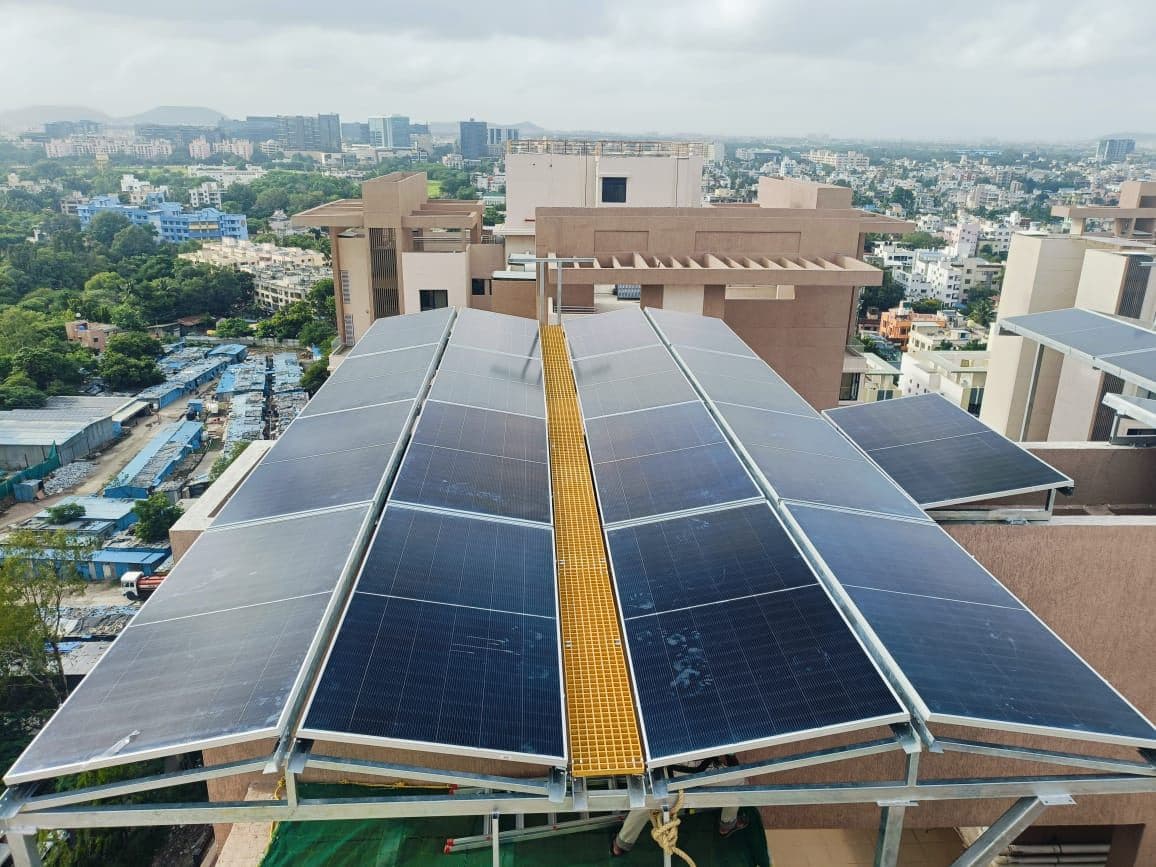
Solar panels cover the one roof you all share, on a raised structure that keeps the terrace usable and the top floors cooler.
Step 02
Store
One central lithium battery bank stores the day's surplus. It is built for 20 years, unlike the lead-acid inverter batteries homes replace every few years.
Step 03
Share
Every flat and office gets its own patented SPDU in the meter room, metering its share of the power, from the sun by day and the battery by night. No wiring changes inside your home.
Step 04
Seamless hand-over
Only when your share is fully used does the SPDU move your home onto its own grid connection, automatically, until the next sunrise tops everything up again.
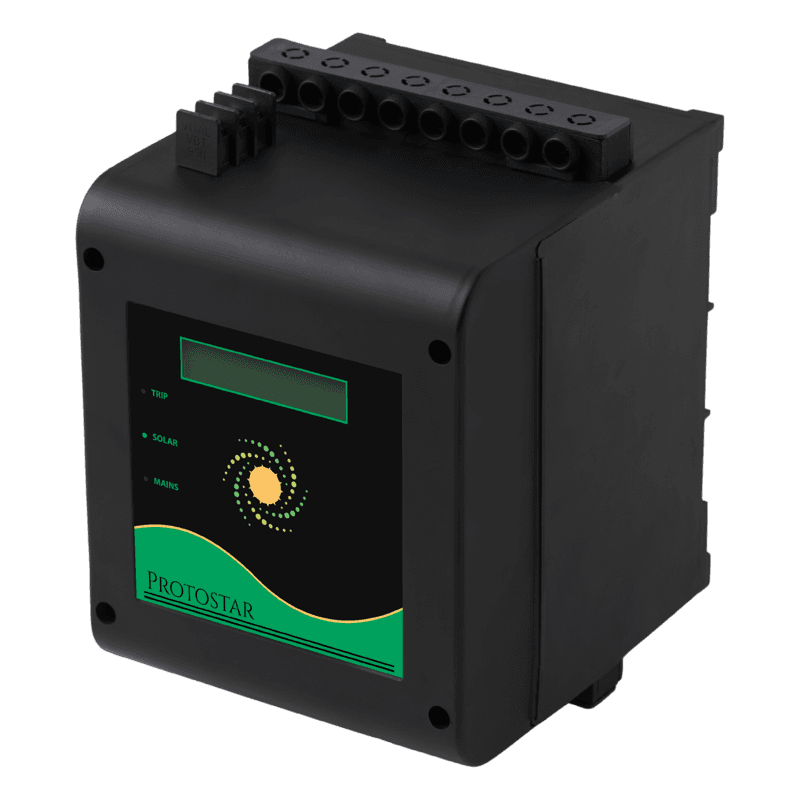
The SPDU makes Fusion possible
One smart IoT device for each flat and office, installed together in the meter room. 3 patents. Fitted in weeks.
The regular way vs the Protostar way
Most families end up buying two half-solutions. Fusion is one whole one.
The regular way
- Buy solar, then still buy backup separately
- Grid-tied array stops the moment the power does
- Every flat keeps its own UPS on lead-acid batteries
- Batteries last 3 to 5 years, then a replacement bill
- Backs up only a few lights and fans
The Protostar way
- One system that does both, sized to your actual loads
- Whole building keeps running through a power cut
- One shared lithium bank instead of a UPS in every flat
- Batteries built for 20 years of service
- Powers everything in the flat or office, ACs included
And the surprise: for a typical 2 BHK, Fusion costs about the same as individual solar plus a basic UPS, while backing up the whole home instead of a few circuits.
Fusion, next to everything else you could do
Every proposal we prepare costs all of these side by side, on the building's own meter readings. Here is what holds true for any building: one plant shared by everyone, or one system on every flat.
| One plant for the building | One system per flat | |||
|---|---|---|---|---|
| What matters | Our flagshipProtostar Fusionshared solar + shared battery | Shared grid-tiedshared solar, no battery | Individual solarper flat, with subsidy | Individual solar + UPStwo systems in every flat |
| Power in a power cut | The whole flat, day and night, ACs included | Switches off with the grid, by design | Switches off with the grid, by design | A few points, for a few hours |
| Battery | One shared lithium bank. 10-year warranty, 20-year life | None | None | Lead-acid in every flat, replaced every 3 to 5 years |
| Sized to each flat's use | Each flat buys a share sized to its own bills | Each flat buys a share sized to its own bills | Fixed system sizes. Light users sell most of it back cheap | Fixed system sizes |
| What happens to unused solar | Stored in the battery, or shared with a neighbour the same day | Credited on the society's common net meter | Exported to the grid at a low buy-back rate | Exported to the grid at a low buy-back rate |
| Fair use of the roof | One array planned once. Shade shared by everyone | One array planned once. Shade shared by everyone | A patch per flat. First come takes the sunniest corner | A patch per flat. Late flats inherit the shade |
| Terrace stays usable | A raised structure keeps the terrace walkable | A raised structure keeps the terrace walkable | Low frames in rows cover the terrace | Low frames in rows cover the terrace |
| Room to grow later | Add panels in your name, or take part of a neighbour's share | Add panels in your name, or take part of a neighbour's share | A new system and a new approval, if any roof is left | A new system and a new approval, if any roof is left |
| Lifts, pumps and common lights | Designed into the plant | Designed into the plant | Nothing, unless the society adds a system of its own | Nothing, unless the society adds a system of its own |
| What each flat sees in the app | Its own use live, its share left today, the battery level | Its own use live and its share left today | Generation only. The bill tells you the rest a month later | Generation only, in one more app |
| Paperwork and rules it leans on | None. Never grid-tied, so no subsidy, net meter or DISCOM approval | Net metering, and a grid support charge on larger plants | A subsidy closing 31 March 2027, net metering, one approval per flat | The same, for every flat |
| Upkeep | One contract for the building | One contract for the building | An installer, a warranty and a service call per flat | Two systems to service in every flat |
| What a flat pays up front | The most, with whole-home backup included. Pays back in about 5 years, no subsidy | The least for a shared plant | The least cash, if the subsidy is sanctioned in time | About what Fusion costs, for partial backup |
Swipe the table sideways to see every option
Shared grid-tied solar is offered for residential societies in Maharashtra under the Grid Connected Micro-Grid framework. Individual solar prices lean on the PM Surya Ghar subsidy, which closes on 31 March 2027 and does not apply to a shared plant. Every proposal we prepare shows all options costed side by side for your exact building. Read our guide to every way a flat can go solar.
Cheaper per flat is not the same as better for the building
None of this shows up in a price table. All of it shows up in the second year, when the roof is full, the first inverter fails, or a flat that installed late asks why its panels sit in the tank's shadow.
In a 42-flat building, forty-two systems mean forty-two inverters, forty-two cable runs, forty-two warranties and a terrace nobody can use. One system means one contract, one roof plan, one app, and a deck the society gets back.
More than a smaller bill
One Fusion system quietly upgrades the whole building, for every family and business in it.
Backup for the entire home
Not a few lights and fans. The AC, geyser, fridge, Wi-Fi and pumps all stay on through a power cut, running on the shared battery bank.
Lower electricity bills
Every unit gets its own metered share of solar. Sunshine powers your meter first, so the bill shrinks from the very first month.
Retire your inverter/UPS
No more inverter trolley in the passage, no lead-acid batteries to replace every 3 to 5 years. For offices, the diesel generator finally stays off.
Cooler top floors
Panels shade the entire terrace, so the roof stops soaking up heat all day. Top-floor homes stay cooler and spend less on air conditioning.
A rooftop you can actually use
One elevated structure is planned around a clear terrace deck, so the roof stays open for walks, gatherings and celebrations.
See it all on your phone
The Nova app shows each home its solar share, battery status and savings in real time. Full transparency, no arguments, no guesswork.
Costs less, works better
The same physics and the same purchase, made in bulk and engineered once. That is why the shared system beats a rooftop full of individual ones.
Shared infrastructure
Panels, inverters and batteries installed as one large unified system for the whole building, lowering the cost per kW for everyone.
One battery bank
A single central lithium bank is far cheaper per unit of storage than dozens of individual batteries scattered across flats.
One hybrid inverter system
One engineered hybrid system replaces a UPS inverter in every flat, along with all their fans, trolleys and trailing wires.
One maintenance contract
One cleaning and service contract for the whole building instead of dozens of separate ones, each chased by its own flat.
One roof, no allocation disputes
Individual systems would each need their own marked-out patch of terrace, and the sunniest patches are finite. A shared system uses the whole roof as one plant.
Shade shared equally
Every panel belongs to everyone. Whatever a shaded panel loses and whatever the best panels gain is spread across all flats in proportion to their share.
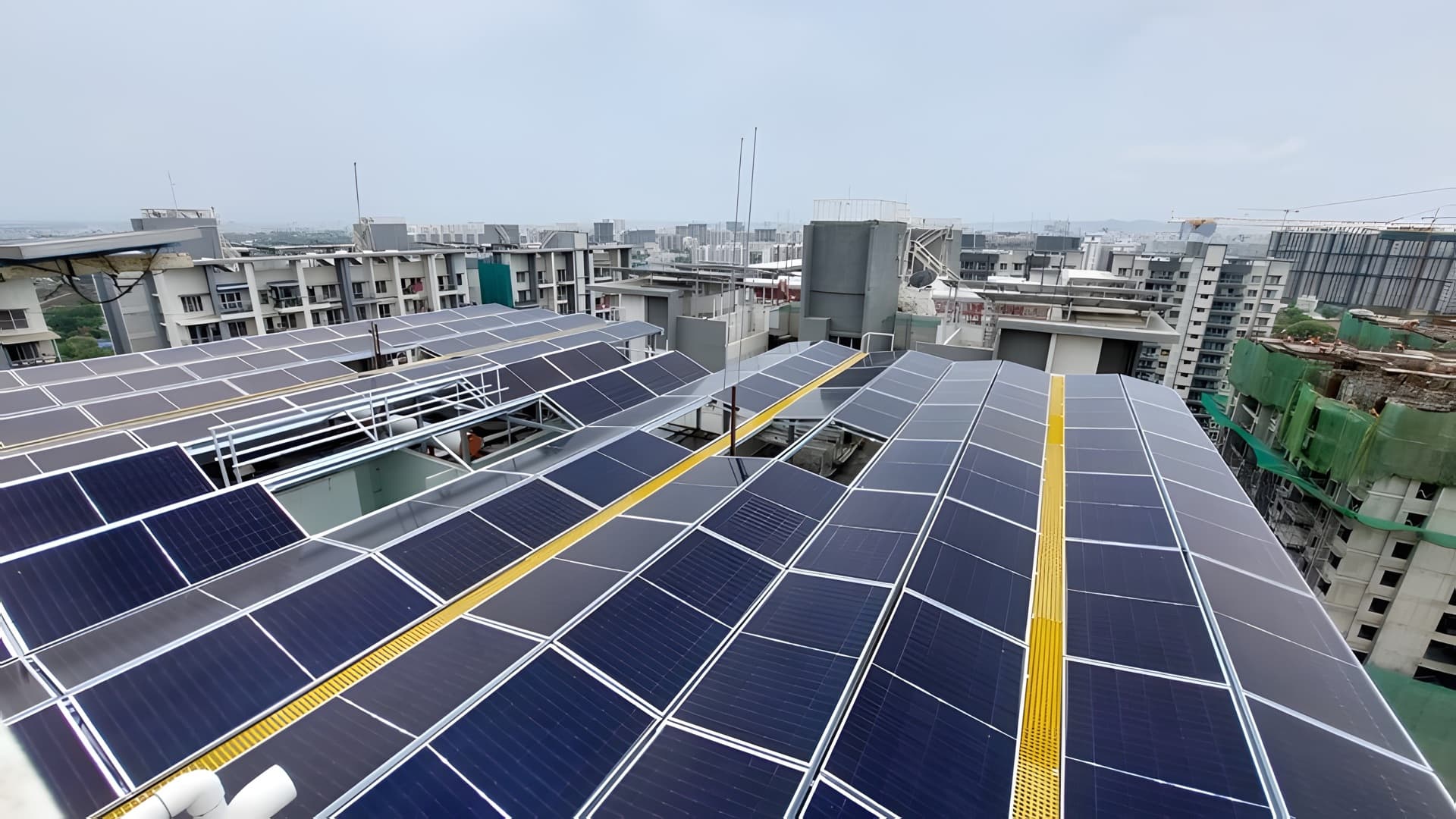
Your terrace stays yours
A single elevated system is planned around a clear terrace deck, so the roof stays open for morning walks, evening gatherings and society celebrations. Dozens of scattered private systems would consume the whole terrace.
The numbers work on the system, not on any subsidy.
Fusion pays for itself through the bills it erases and the UPS, batteries and diesel it retires. Everything after payback is simply free power.
payback for homes, without any subsidy
payback for commercial establishments
performance warranty on the panels
service life of the lithium battery bank
Stronger together
The more flats and offices that join, the larger the shared array and battery bank, and the lower the cost for each one. One roof, one system, one maintenance contract, instead of dozens of small ones.
Costs about the same as solar plus a UPS
A family that buys individual solar and a basic UPS spends nearly the same as it would on Fusion, and gets partial backup on lead-acid batteries that need replacing every 3 to 5 years. Fusion backs up the whole home on a battery built for 20.
Easy to finance. Warranted for decades.
Participation is flat by flat: each home contracts and pays for its own share, and can finance it in its own name.
Finance available
Each flat applies in its own name. Rate and sanction are at the lender's discretion.
Warranty at a glance
- 30-year performance and 12-year product warranty on the solar modules
- 10-year warranty on the lithium battery bank, with a 20-year rated service life
- 10-year warranty on the hybrid inverter and the mounting structure
- 5-year warranty on workmanship
It already works. Families live with it every day.
Scorpio, Fortune Estates in Pune became one of India's first net zero residential buildings. The SPDU was invented there.
300
flats already powered
100
free units per flat per month at Scorpio
₹0
green premium charged to homebuyers
3
patents on SPDU technology
Taught at business schools
Our first building, Scorpio, is a Harvard Business Publishing case study authored by IIM Bangalore: one of India's first net zero residential buildings.
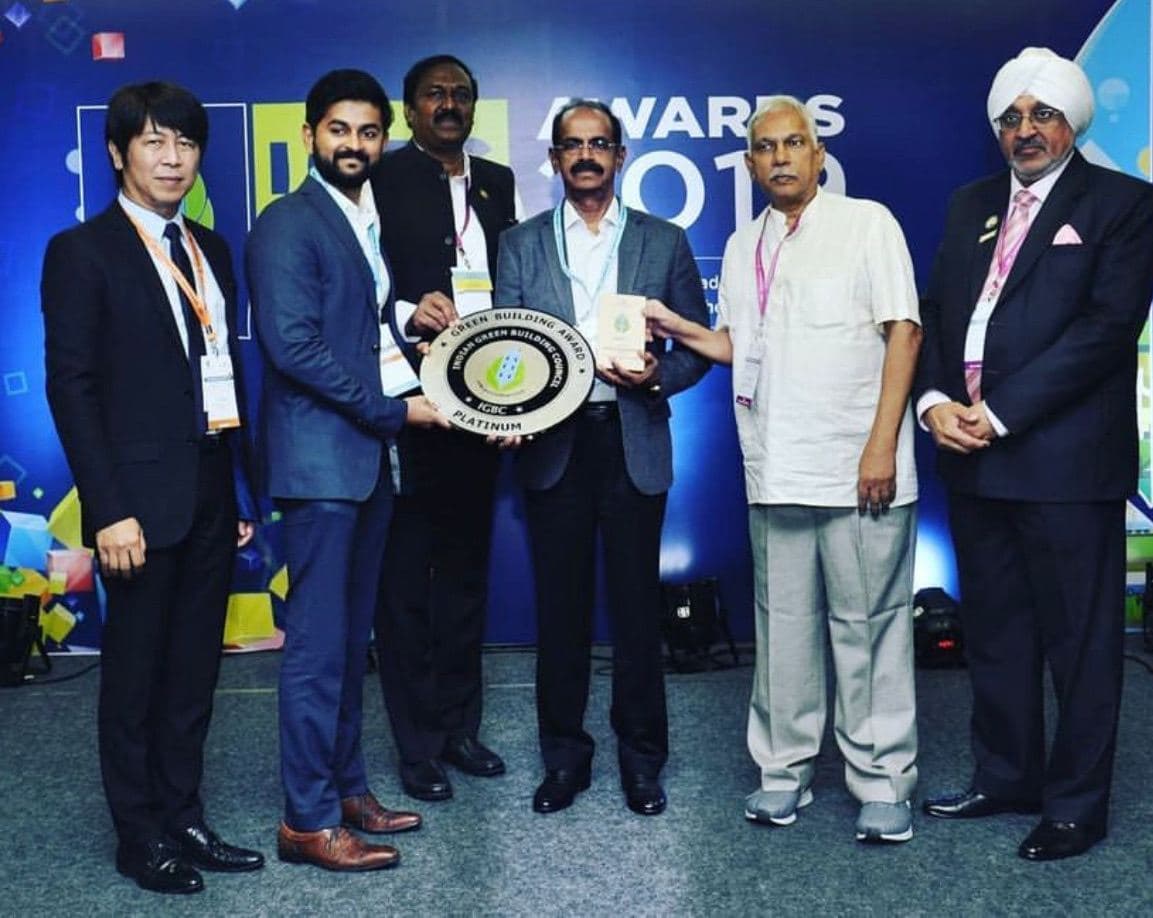
Awarded and certified
IGBC Platinum rating, Bharat Leadership Award from the Governor of Maharashtra, and selection among India's top 11 green housing projects by CRISIL under the EU-backed SUNREF programme.
Real installations, not renders
Every photo here is a roof we have built on. Yours could be next.
Full rooftop coverage on a residential society
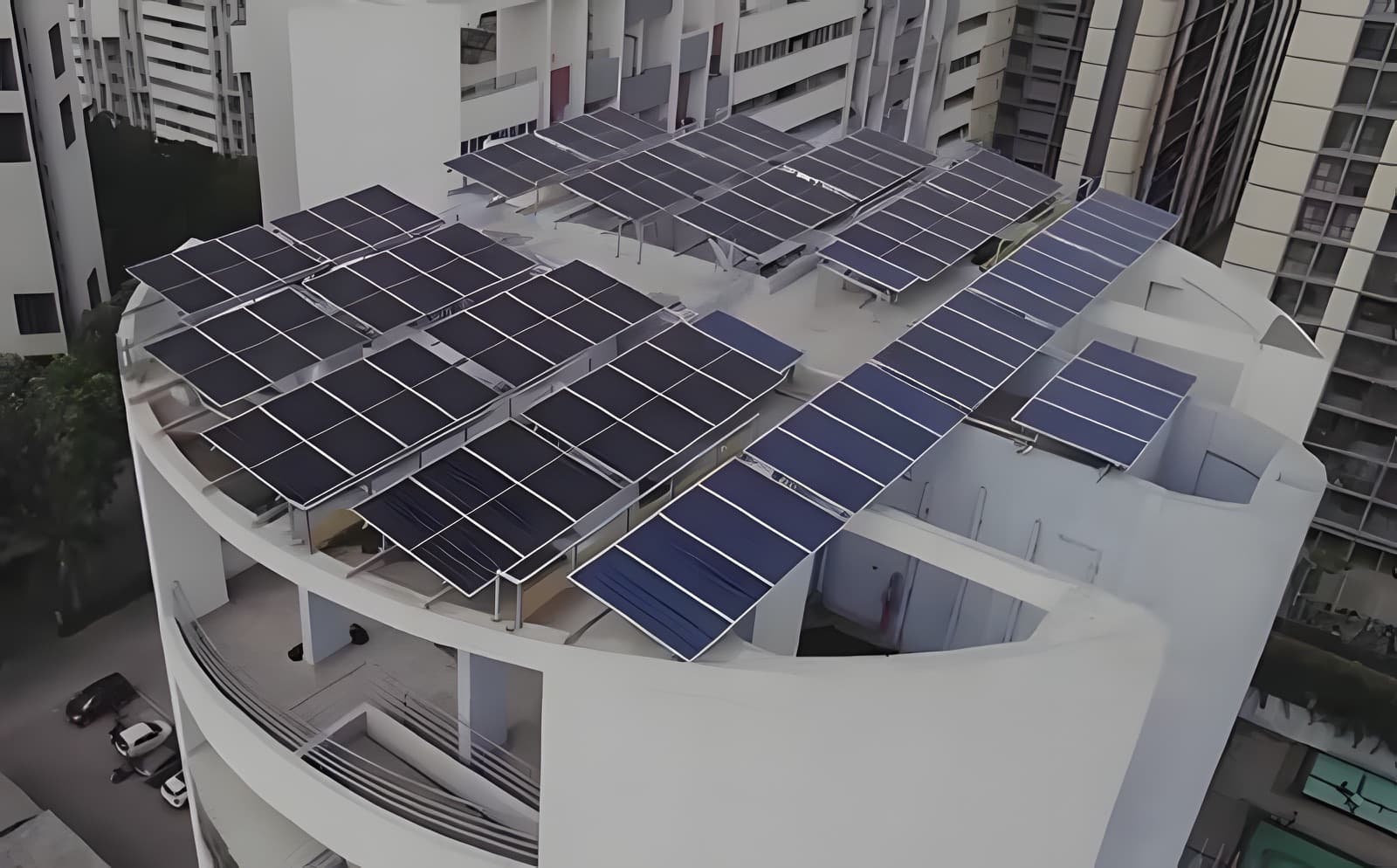
One shared plant for every flat at Park Infinia
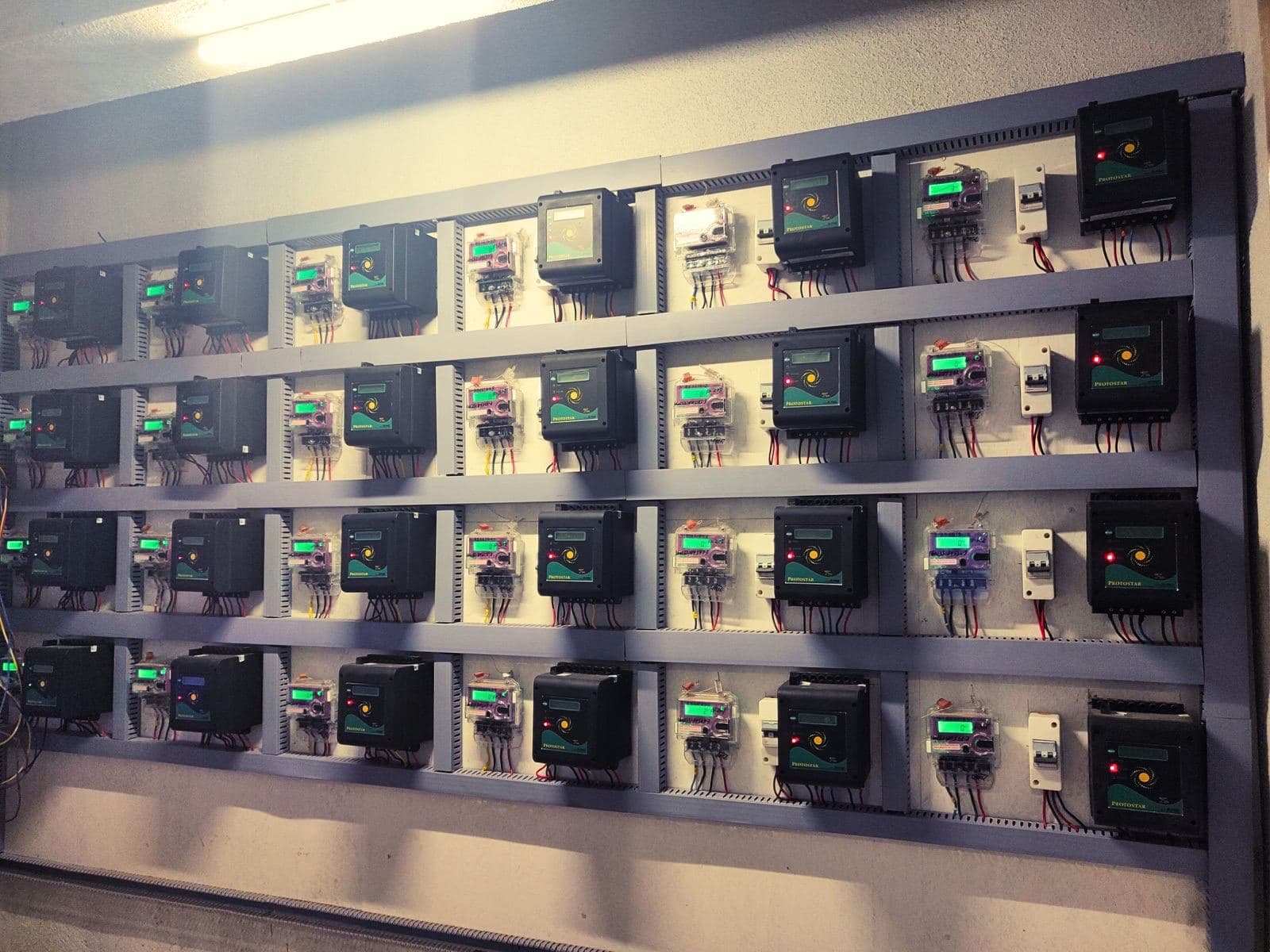
SPDUs in the meter room, one share per home
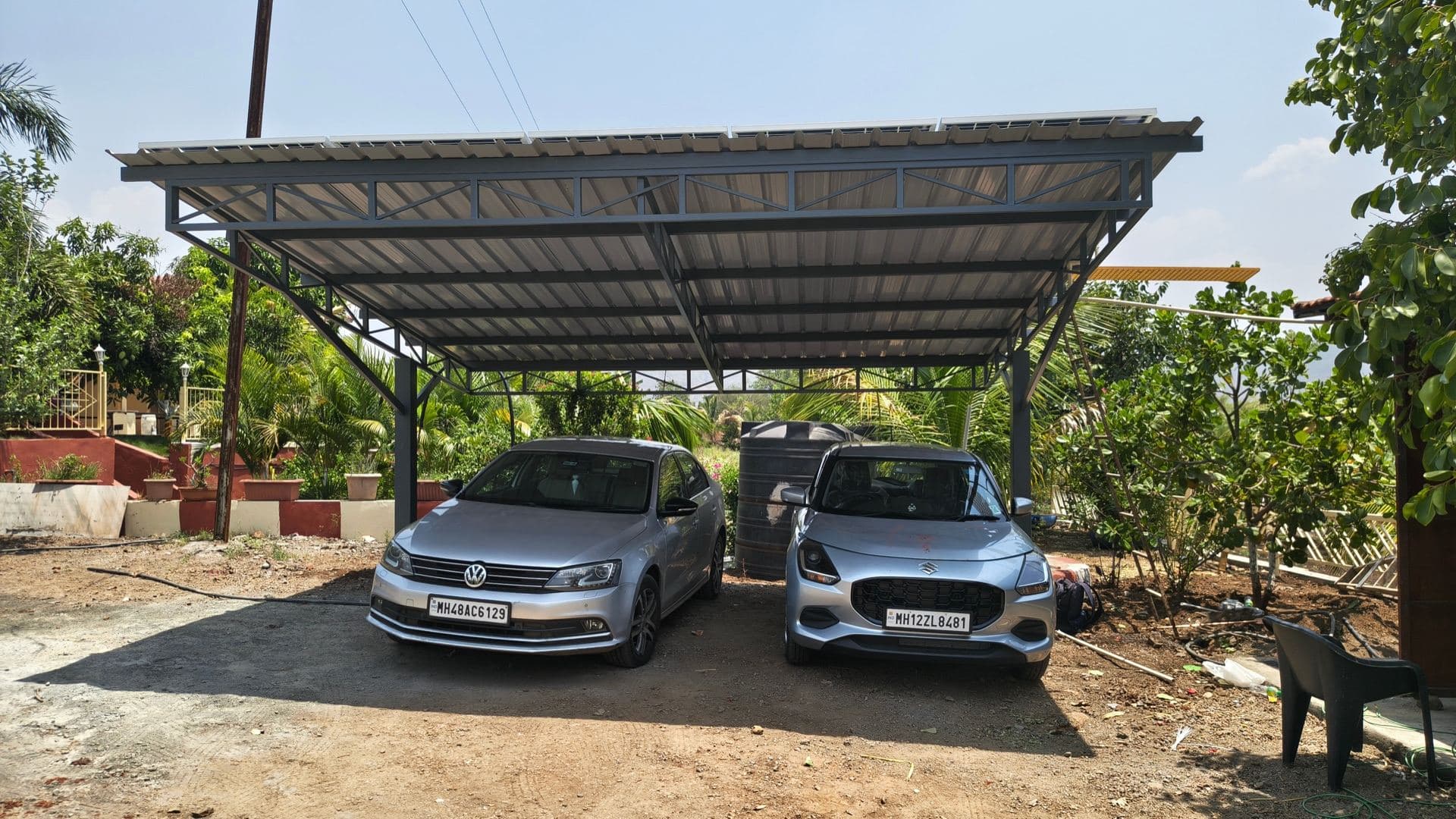
Solar carport with EV-ready parking
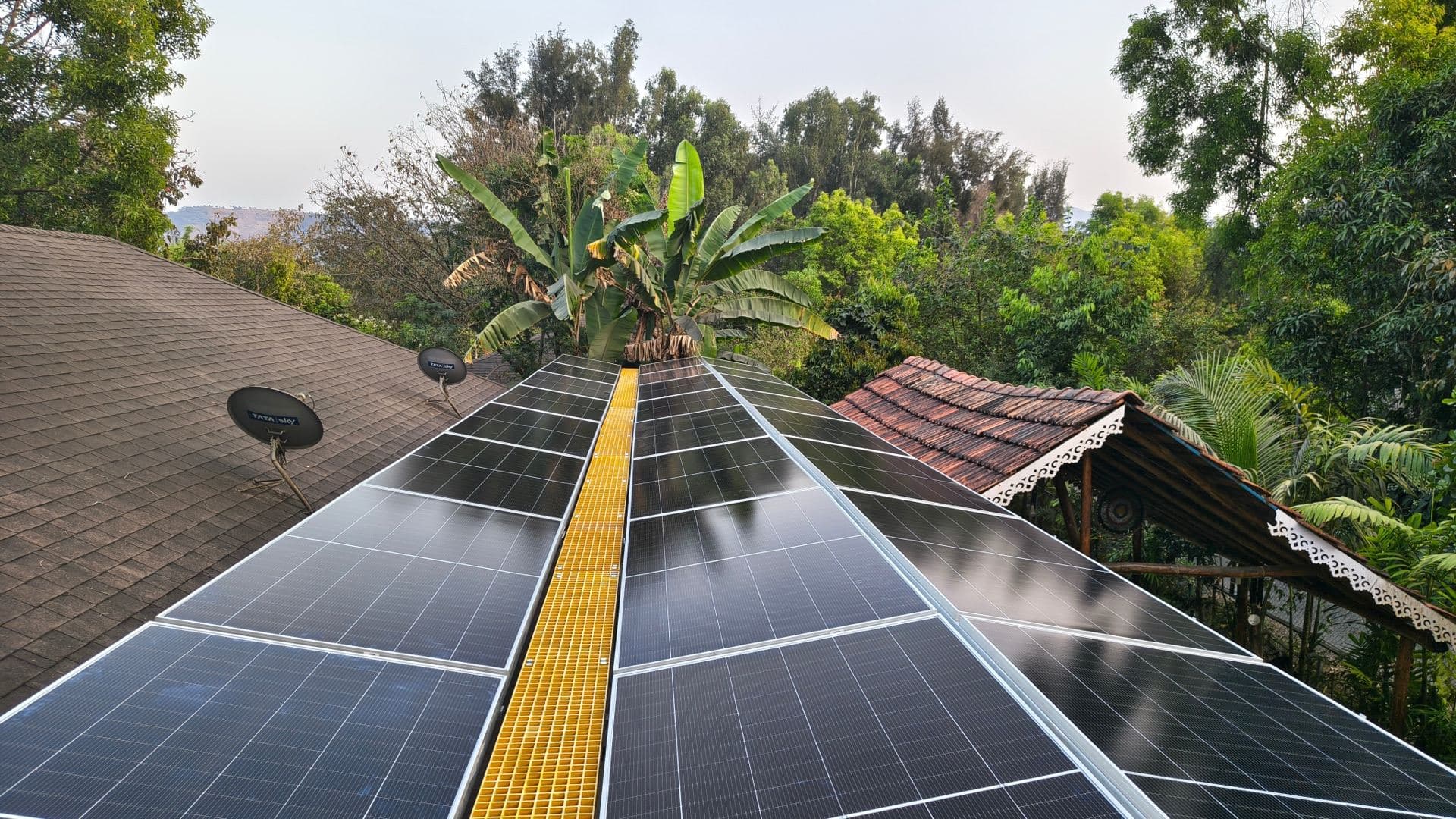
Golden hour on a society rooftop
Watch how one roof powers every home
Two minutes that show exactly how Protostar brings rooftop solar into individual apartments.
Hear it from the families themselves
Real residents, real bills, real savings. In their own words.
"Having solar in my flat has significantly slashed my bills. While neighbors from my previous building face soaring electricity costs, I've remained in the lowest tariff slab thanks to the 100 units from solar."
Yogita
Resident, Scorpio - Fortune Estates, Pune
"Living in Scorpio has been a step up for my family because we have experienced a lifestyle upgrade without even trying. Having 24x7 hot water feels like a luxury I didn't know I needed."
Swapnil
Resident, Scorpio - Fortune Estates, Pune
One roof, many meters? Fusion was built for you.
If multiple homes or businesses share a single rooftop, the SPDU can share its sunshine and its stored power.
Housing Societies
Retrofit your existing building with Fusion. Panels on the shared roof, battery bank below, SPDU in the meter room. Every flat gets lower bills and whole-home backup, with no wiring changes inside homes.
Book a free rooftop survey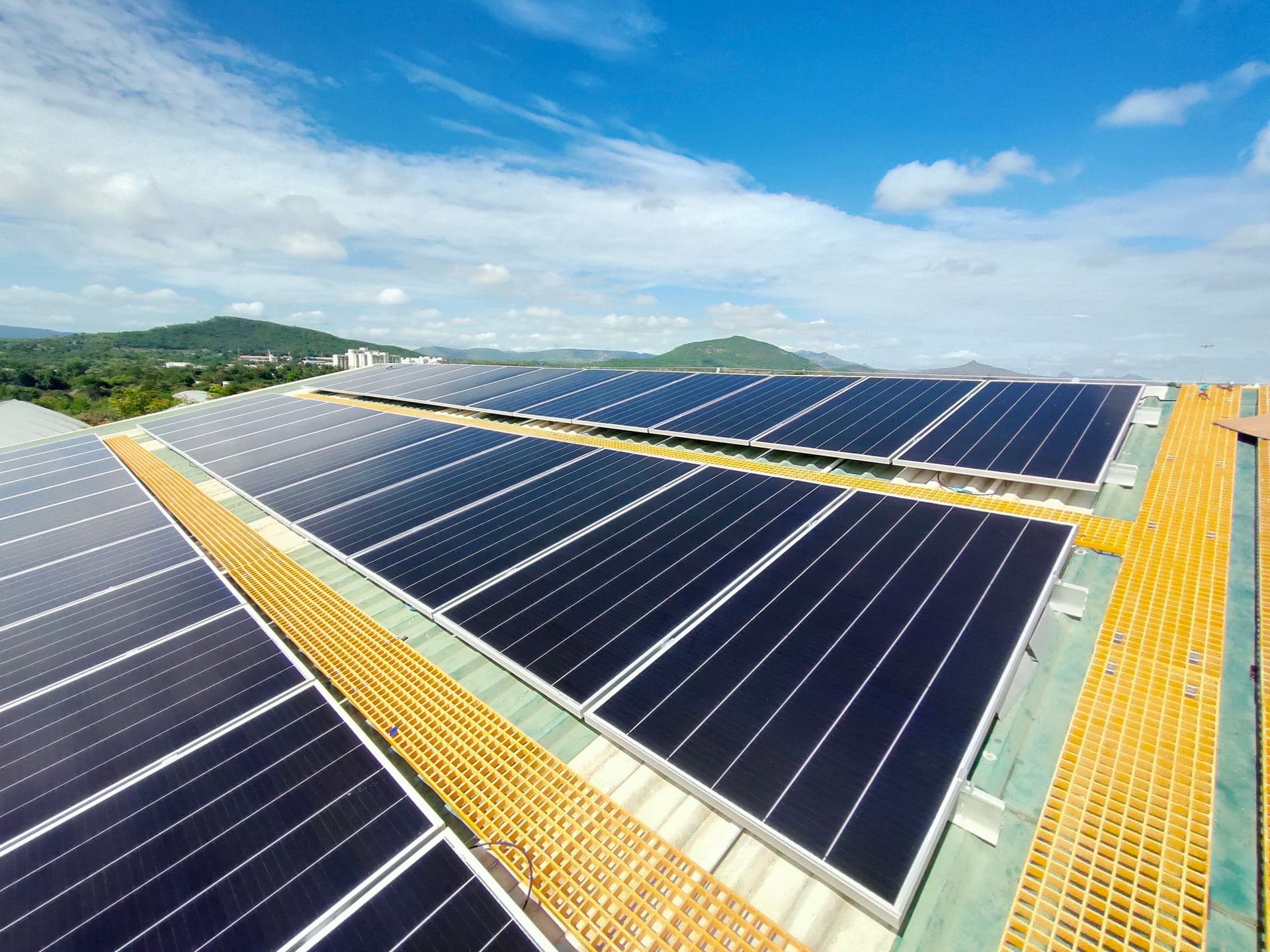
Commercial Buildings
The DG set stays off. Offices, shops and clinics use solar exactly when the sun makes it, offset expensive evening power with the battery, and keep workstations and servers running through cuts. Payback in about 3 years.
Discuss your building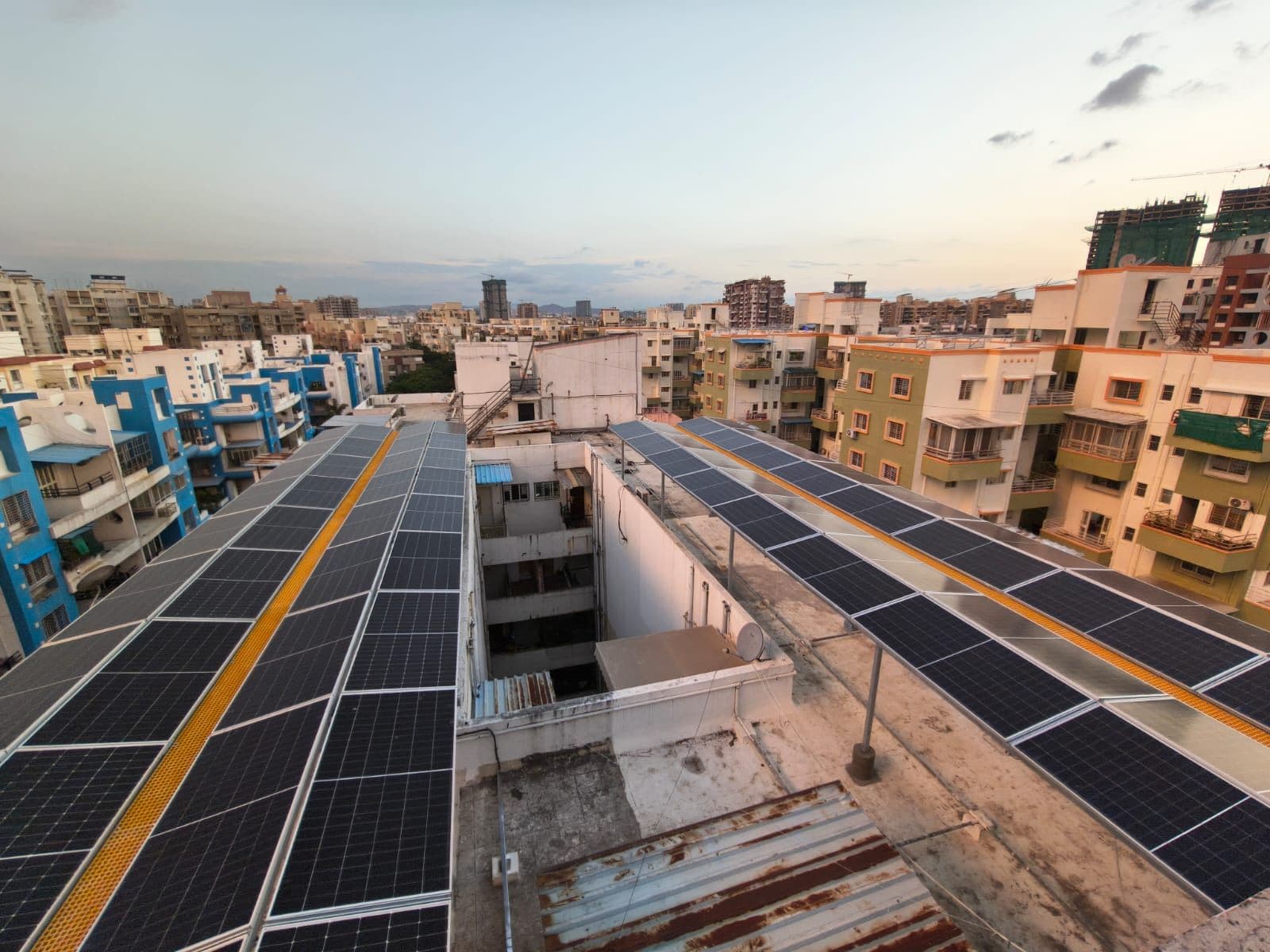
Developers & Builders
Plan SPDU into a new project and sell homes with free solar units built in. A genuine differentiator that helped our pilot earn IGBC Platinum and sell at market price with zero green premium.
Partner with usHow much can your building save?
Tell us how many flats you have and your average electricity bill. Get an instant estimate of your society's solar savings.
Try the Savings CalculatorEverything your society committee will ask
The questions we hear in every general body meeting, answered straight.
Fusion is one engineered system for the whole building: shared solar panels on the roof, one shared lithium battery bank, and a patented SPDU for each flat and office that gives it its own metered share. Your home runs on sunshine through the day, on stored sunshine into the night, and stays on through power cuts. Only when your share is used up does the SPDU move you to your own grid connection, seamlessly, until the next day.
With Fusion, your whole home keeps running on the shared battery bank: lights, fans, fridge, Wi-Fi, even the AC and geyser, sized to your building's actual loads. Your SPDU handles the switching automatically, so there is nothing to press or reset. This is the big difference from ordinary grid-tied solar, which must switch off during an outage, and from a home inverter or UPS, which backs up only a few circuits.
Every flat and office has its own SPDU in the meter room, and each unit's fixed share, decided together with the society at design time, is enforced by that unit's own hardware. Every share is separately metered, and you can see your balance and usage live on the Nova app. No neighbour can use your share.
Cost depends on your roof, your loads and how many units participate, so we start with a free rooftop feasibility survey and give a detailed proposal. As a rule of thumb, Fusion pays for itself in about 5 years for homes and about 3 years for commercial establishments, without any subsidy, and the panels keep producing for decades after that. Financing is available through our lending partners with zero processing fees.
We use lithium iron phosphate (LFP) batteries, the same safe, stable chemistry used in electric buses and grid storage. The bank carries a 10-year warranty and a 20-year rated service life, and it lives in a ventilated battery room, professionally installed and monitored. Compare that with the lead-acid inverter batteries most homes replace every 3 to 5 years.
Yes. For residential societies in Maharashtra we also offer shared grid-tied solar under the state's Grid Connected Micro-Grid framework: the same shared roof and the same fair SPDU sharing, without storage. It costs less and still cuts every bill, but like all grid-tied solar it pauses during a power cut. Most societies compare both and choose Fusion for the backup.
Subsidies like PM Surya Ghar apply to individual net-metered connections, not to a shared hybrid system like Fusion. We deliberately engineered Fusion so the numbers work without any subsidy: the shared battery bank, one hybrid inverter and one roof used as one plant is what makes it pay back in about 5 years on its own. Where a subsidy does apply, such as individual grid-tied systems, we will show you that option honestly in the proposal.
Participation in Fusion is flat by flat: each participating home contracts and pays for its own share, and the society contracts the common-area system. Rooftop use is a society decision, usually passed in a general body meeting per your byelaws. Our guide for Pune housing societies walks through each step. We support the committee with presentations, workings and documentation, and handle the paperwork after that.
We do. One annual maintenance contract for the whole building covers panel cleaning, battery health, performance monitoring and prompt issue resolution, instead of every flat chasing its own UPS vendor. Dust alone can cut generation by up to 25 percent, so maintenance is what protects your savings.
No. All work happens on the rooftop, in the battery room and in the building's meter room. Nobody enters your home, and a typical retrofit is completed in about 3 months including approvals.
Yes. Commercial establishments see the fastest economics, with payback in about 3 years. Daytime businesses use solar exactly when it is generated, the battery offsets expensive evening power, and the diesel generator stays off during cuts while workstations and servers keep running.
Be ready before the next summer. Backed up before the next monsoon.
A free rooftop feasibility survey tells your building exactly how much solar and storage your roof can hold, and what every flat and office would save. No commitment, no charge.